

Optimalisasi Onshore Power Supply: Cetak Biru Dekarbonisasi dan Efisiensi Maritim di Empat Pelabuhan Utama
Indonesia’s maritime sector is a key pillar of the national economy and is steadily progressing toward a more environmentally sustainable future. Historically, vessels berthed at ports have relied on diesel-powered auxiliary engines to support loading and unloading operations, contributing to air pollution in port and coastal areas.
As part of Indonesia’s commitment to the energy transition, Onshore Power Supply (OPS) facilities have been installed at 58 locations across the country’s ports, enabling vessels to switch from onboard diesel generators to shore-based electricity. However, current utilization remains below 30%. This figure reflects not only an infrastructure challenge but also a significant opportunity for collaboration. Port operators and shipping crews share a common commitment to adopting cleaner energy solutions, yet they require a more integrated and standardized operational ecosystem.
Insights and Dedication from the Field
To gain a deeper understanding of operational needs from the perspective of frontline practitioners, IREEM, together with Pelindo (PT Pelabuhan Indonesia) as the port operator, PT LEGI (PT Lamong Energi Indonesia) and PT EPI (PT Energi Pelabuhan Indonesia) as OPS operators, as well as a team of experts, conducted field visits to four representative major ports between 19–26 May 2026. These activities were fully supported by UK PACT Sustained.
The assessment examined the day-to-day realities faced by operational teams, including regulatory, technical, and economic challenges encountered during OPS implementation. Key findings include:
Environmental Adaptation in Semarang
At Semarang Container Terminal, the OPS facility is located in the lower berth area. Port personnel have proactively adapted operational procedures to protect the facility from hydrological challenges such as tidal flooding (rob).
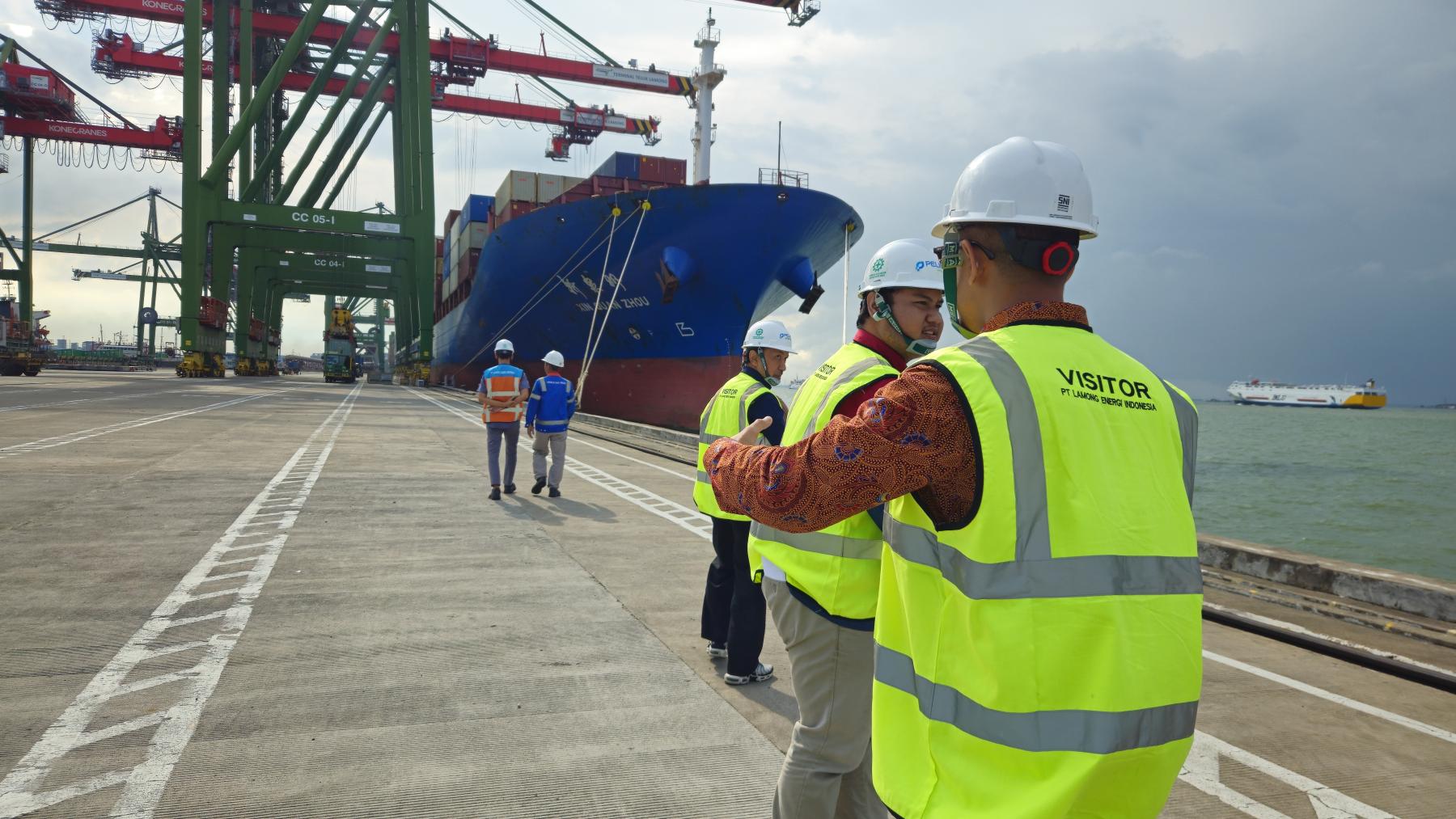
At TPK Semarang, the utilization of OPS must take into account vessel berthing duration, facility readiness, and environmental conditions surrounding the terminal.
Operational Adjustments in Surabaya
In the absence of a dedicated Operations and Maintenance (O&M) team, the port’s electrical team has taken on additional responsibilities. They manage electricity distribution from panels located up to 600 meters from the berth, with an additional 150 meters extending to the vessel. Maintaining voltage stability is a key priority to ensure the safety of onboard electronic equipment.
Highlighting the importance of technical alignment, Dyah F. N. of PT LEGI, based at Nilam and Teluk Lamong Terminals, stated:
“In practice, this energy transition involves much more than simply shutting down a vessel’s engines and connecting a cable. Critical technical details must be addressed, including frequency mismatches—most vessels operate on 60 Hz systems, while our facilities supply 50 Hz—as well as voltage drop risks caused by long connection distances. Field assessments such as these are invaluable for refining operational standards and ensuring that existing infrastructure can be utilized safely and efficiently.”
Equipment Standardization in Tanjung Priok
Field operators currently require approximately 30–45 minutes to establish electrical connections between shore facilities and vessels. Teams emphasized the need for standardized plug configurations to improve operational efficiency, simplify procedures, and enhance safety standards.
Equipment Standardization in Tanjung Priok: In the field, operators currently require approximately 30–45 minutes to establish shore-to-ship electrical connections. Field teams have emphasized the need for standardized plug configurations to improve operational efficiency, simplify connection procedures, and enhance overall safety standards.
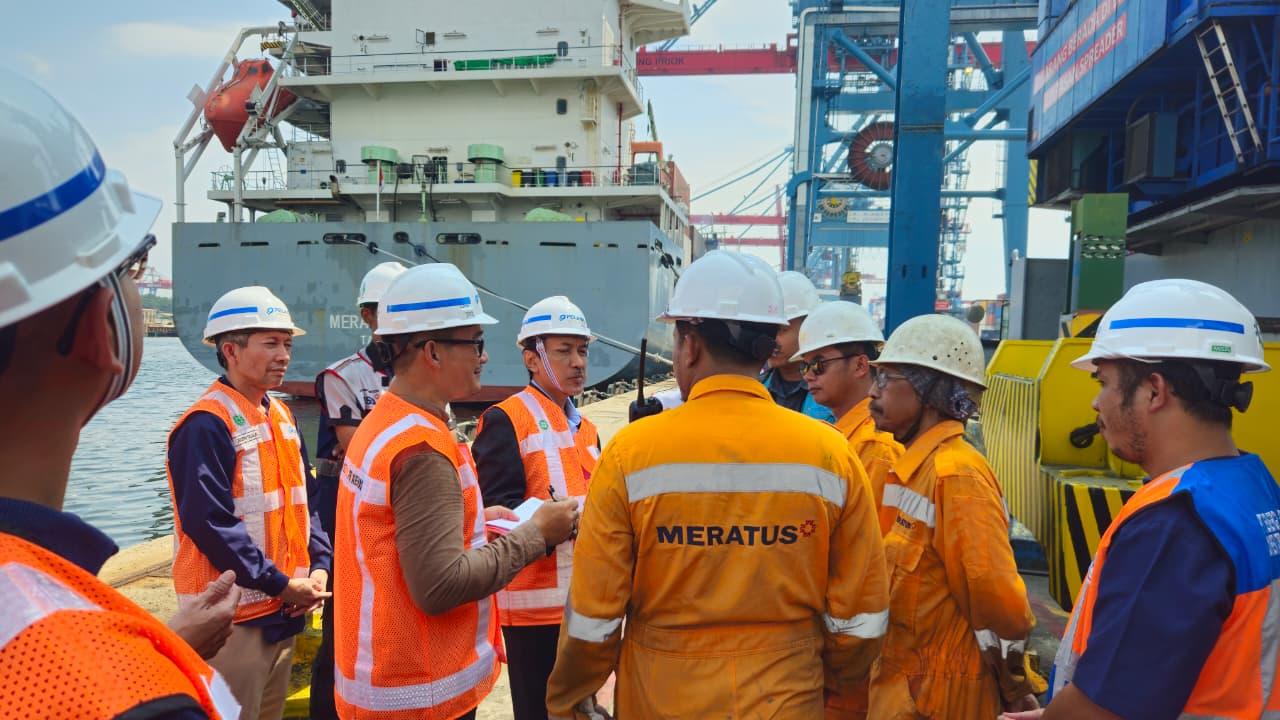
At Tanjung Priok, the assessment highlighted that greater standardization of electrical connection equipment could significantly reduce connection time while improving operational convenience and safety.
Power Supply Reliability in Makassar
At New Port Makassar, the smooth operation of OPS depends heavily on the reliability of the electricity network provided by the power supplier, ensuring that the transition from onboard generation to shore power can take place without interruption or blackout incidents. Sprita Tiurdina of Pelindo TPK New Makassar highlighted the importance of cross-sector collaboration:
"While shore power facilities are already available, daily operations at the port remain highly dynamic. Operators must navigate practical considerations, including the planned relocation of electrical panels to the main terminal and the need for reliable electricity services from the power provider to prevent blackout incidents while vessels are connected to OPS. Field evaluations create opportunities to align maritime decarbonization objectives with commercial realities and operational safety requirements within the terminal environment."
At New Port Makassar, OPS infrastructure is already in place. However, maximizing its utilization requires greater clarity regarding panel relocation plans, reliable electricity supply, and effective utilization arrangements.
.jpg)
Developing Collaborative Solutions
All valuable insights gathered from workers and operators in the field are currently being carefully analyzed. These findings include observations that commercial viability is most favorable when vessels remain berthed for at least 18–20 hours, as well as the importance of securing reliable Service Level Agreements (SLAs) from electricity providers.
Field data also indicate that container vessels are currently the primary users of OPS, with utilization largely driven by domestic shipping services. At the same time, the absence of incentive mechanisms and mandatory policies for OPS adoption continues to limit broader utilization.
These findings are now being consolidated into a comprehensive blueprint, which will provide policy framework recommendations and an implementation roadmap aligned with operational realities and stakeholder needs on the ground.
Supporting an Inclusive Energy Transition
Maritime decarbonization cannot be achieved by a single stakeholder alone. It requires sustained commitment, an understanding of operational realities in the field, and strong partnerships across the maritime sector.
Together, we can support the development of Indonesian ports that are more efficient, greener, and increasingly collaborative.